
Applicable spaces
- Music classrooms, lecture halls, kindergartens, training classrooms, libraries, activity rooms and specialist classrooms.
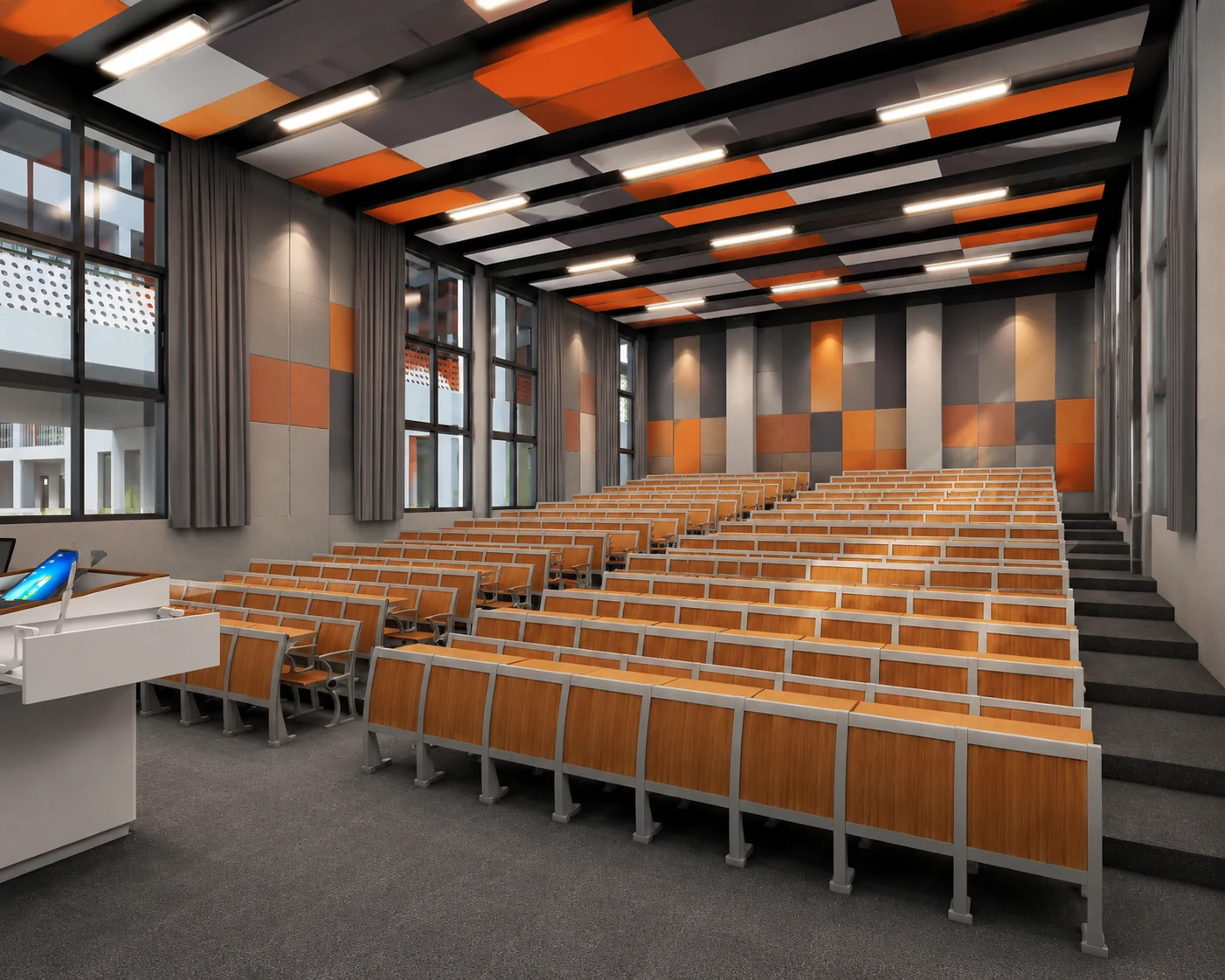
Integrated absorption, sound isolation and electroacoustic design that improves natural teacher-voice coverage, speech intelligibility and concentration across education spaces.
Reverberation, equipment noise, high child-activity levels and cross-talk from adjacent rooms or corridors can reduce speech intelligibility, especially for students at the rear, while increasing teacher vocal strain.
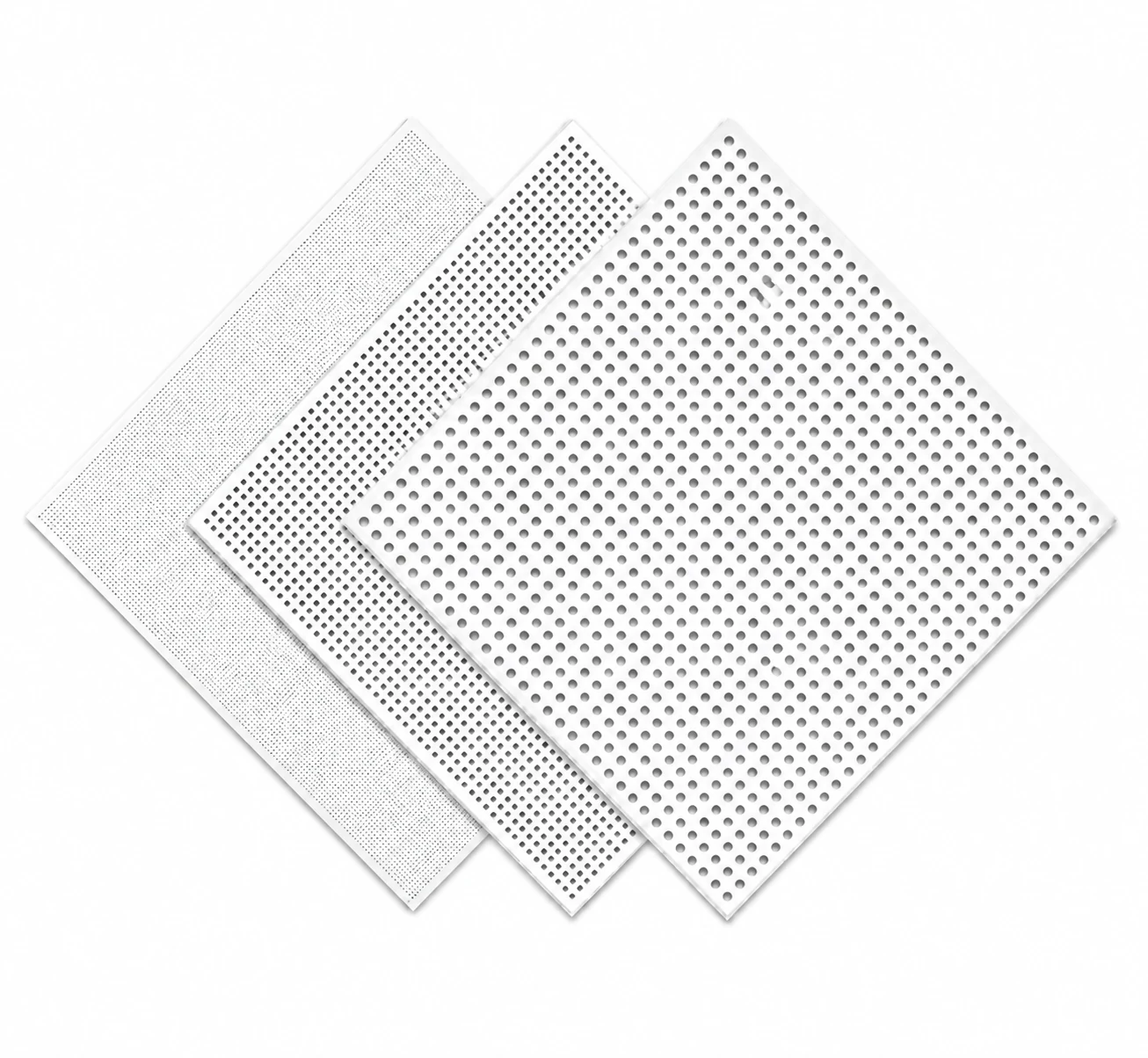
Use the ceiling as the main absorptive surface, coordinate rear-wall absorption with useful front-wall reflection, seal every separating construction and align room zoning with distributed sound reinforcement where required.
Each workstream must be developed together so materials, junctions, services and system performance remain continuous from design through commissioning.
Education acoustics must support learning as a complete system. Ceiling and wall absorption, doors, partitions, room zoning, building services and sound reinforcement should work together so every student can hear clearly without increasing teacher effort.
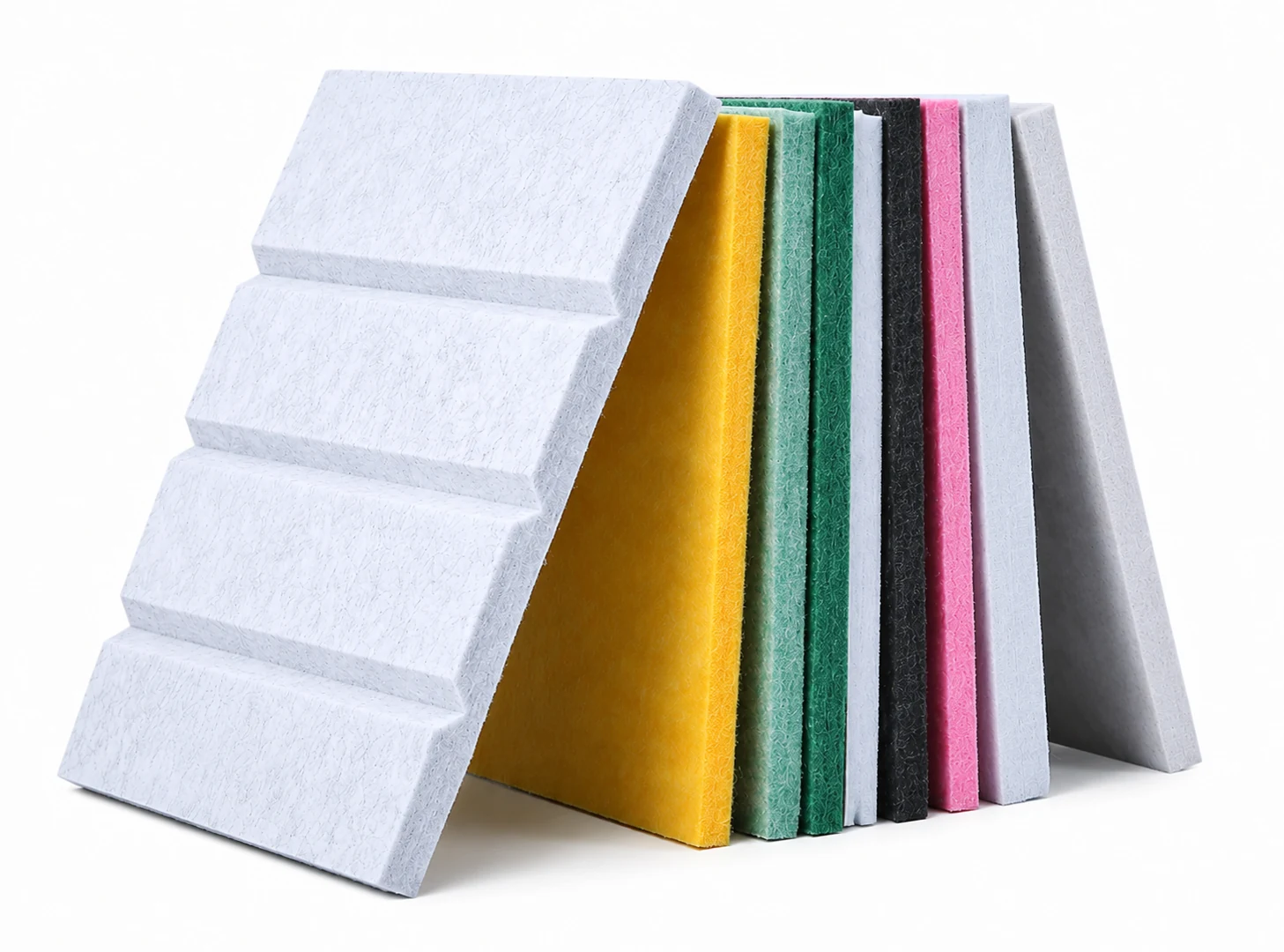
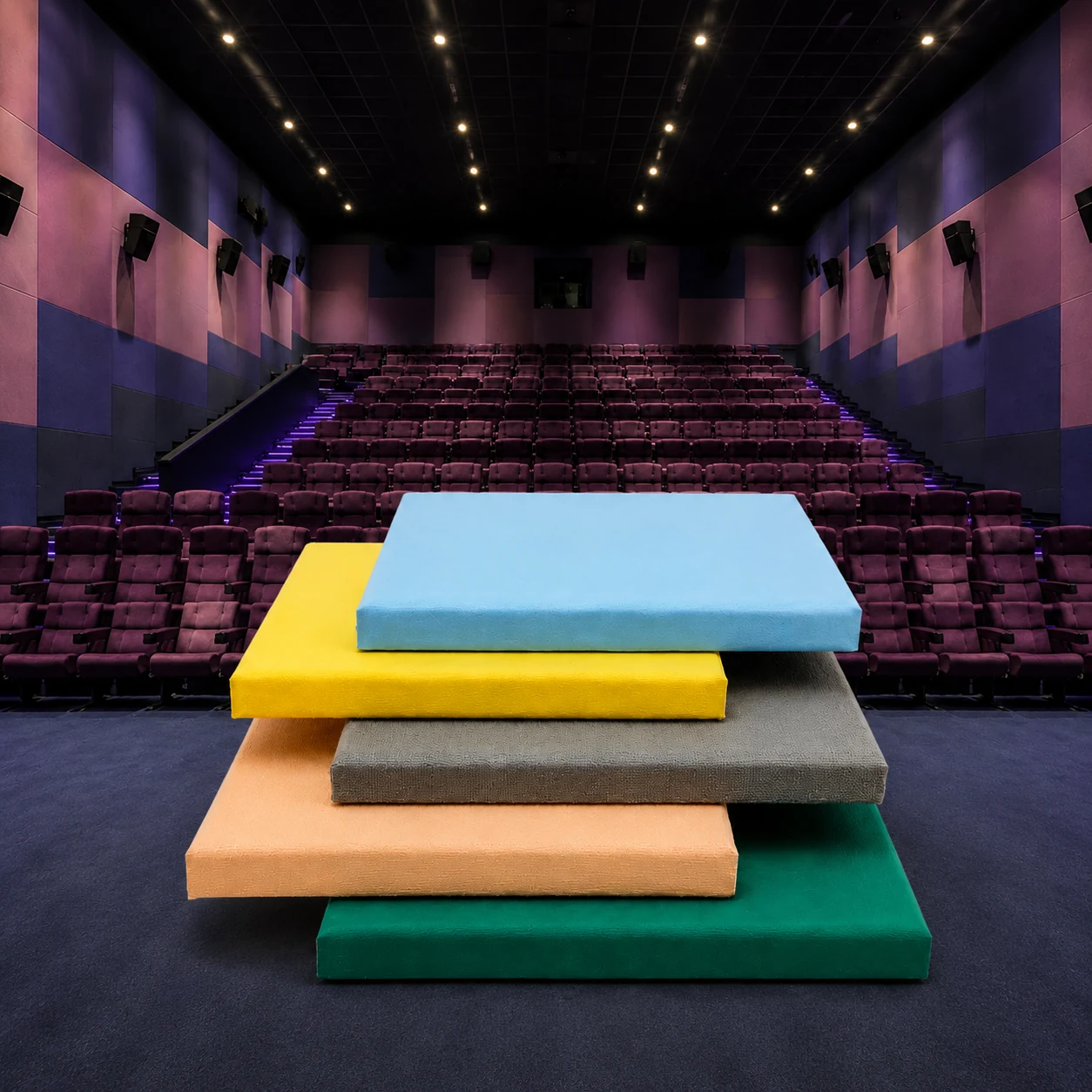
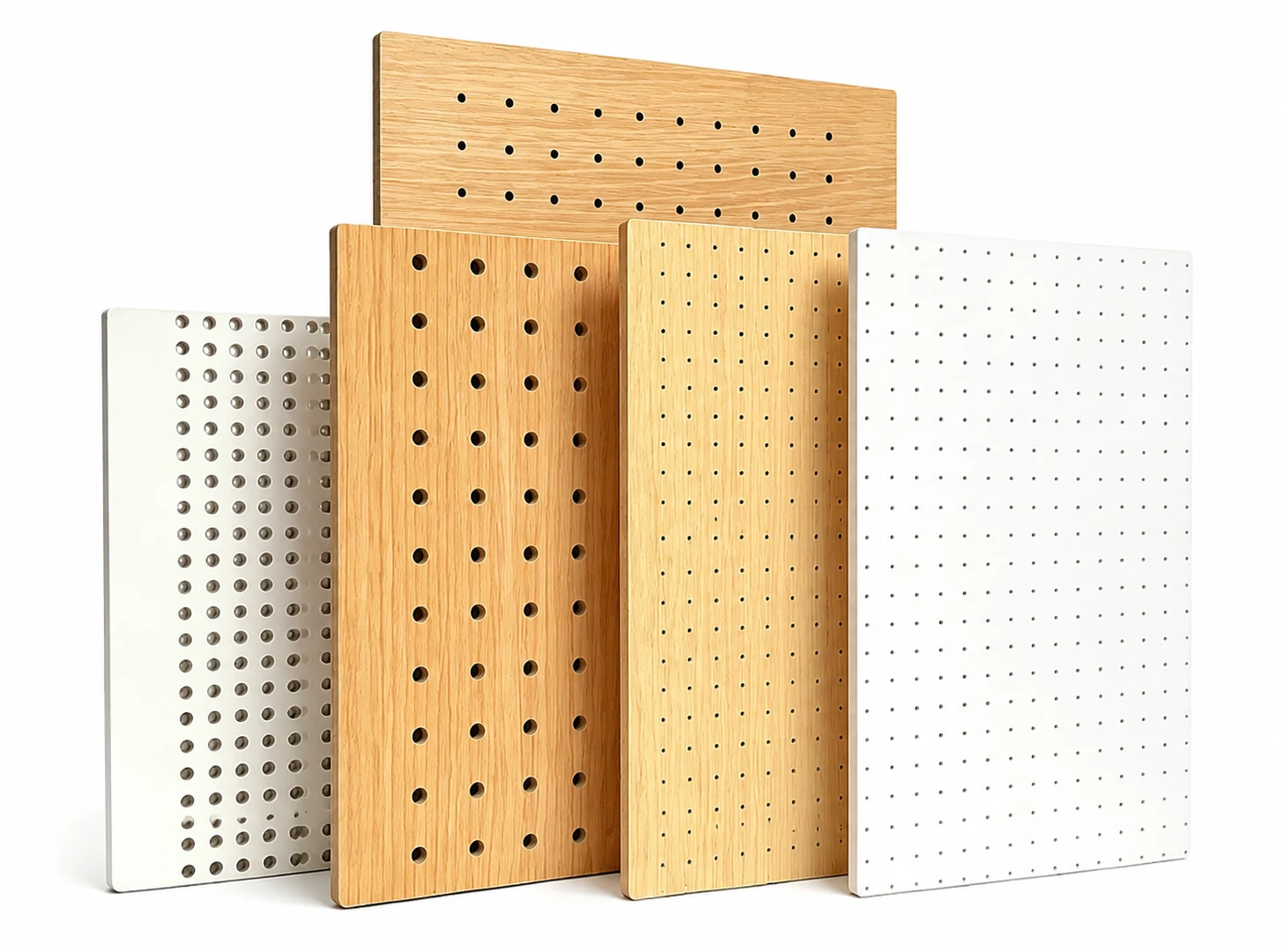
These scenes show how ceiling absorption, wall treatment, acoustic zoning and coordinated sound reinforcement adapt across music rooms, lecture halls, early-learning spaces, training rooms, libraries and specialist classrooms.
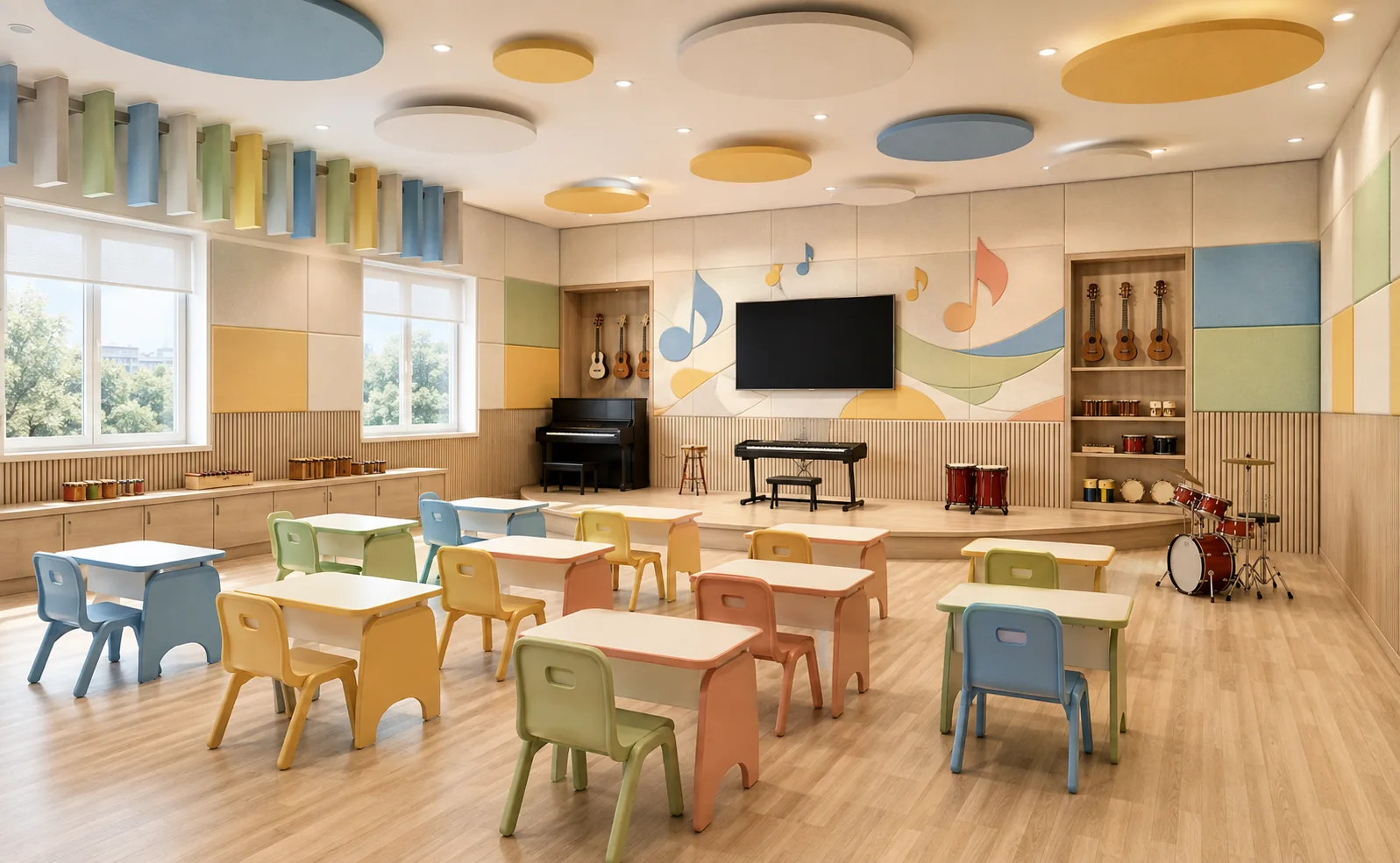
Ceiling clouds, wall absorption and timber slats control instrument energy and improve teacher-to-student communication while keeping the room lively enough for ensemble learning.
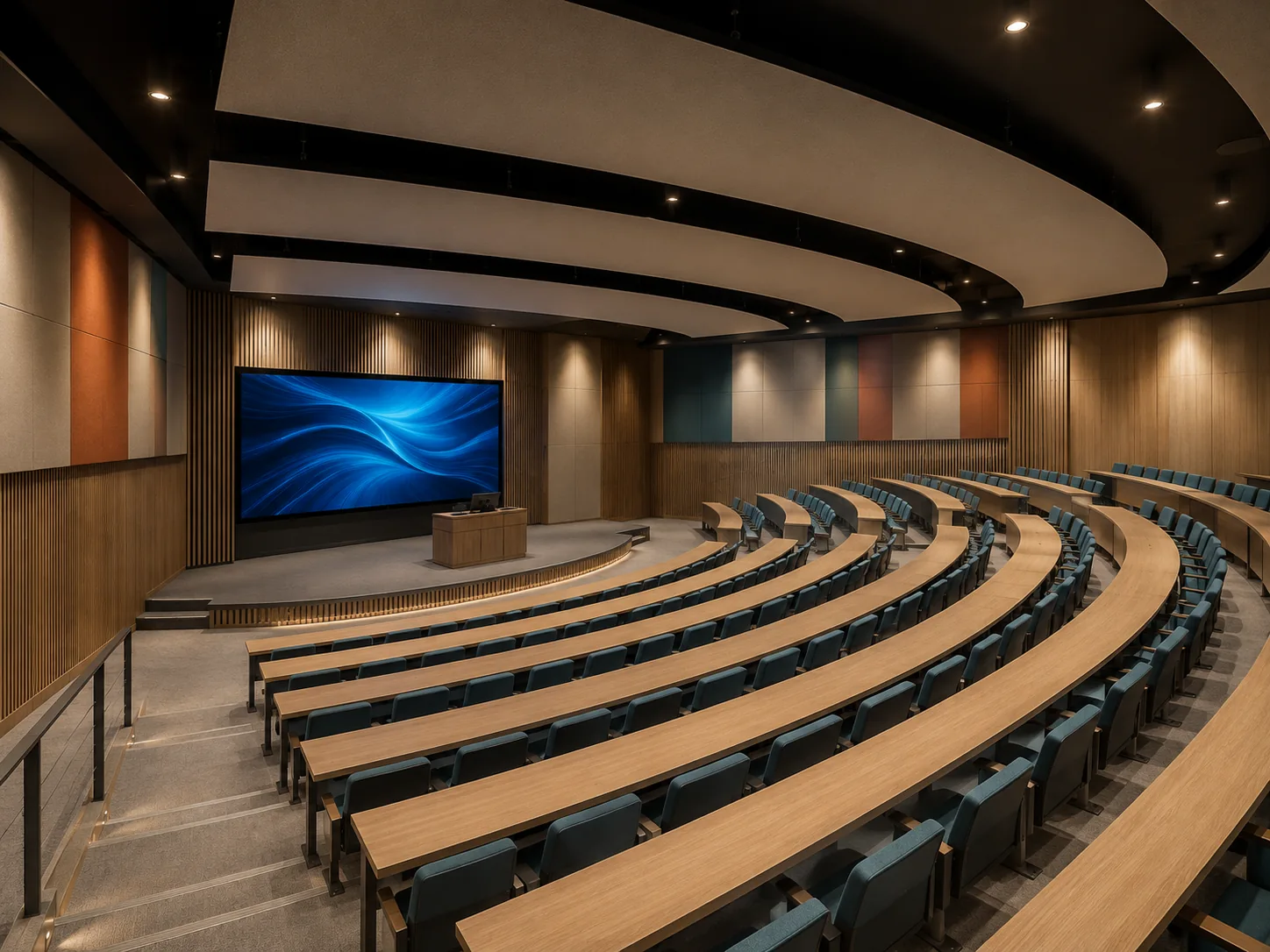
Shaped ceiling absorbers, controlled rear-wall reflections and distributed sound reinforcement preserve clear natural and amplified speech from the front row to the rear seats.
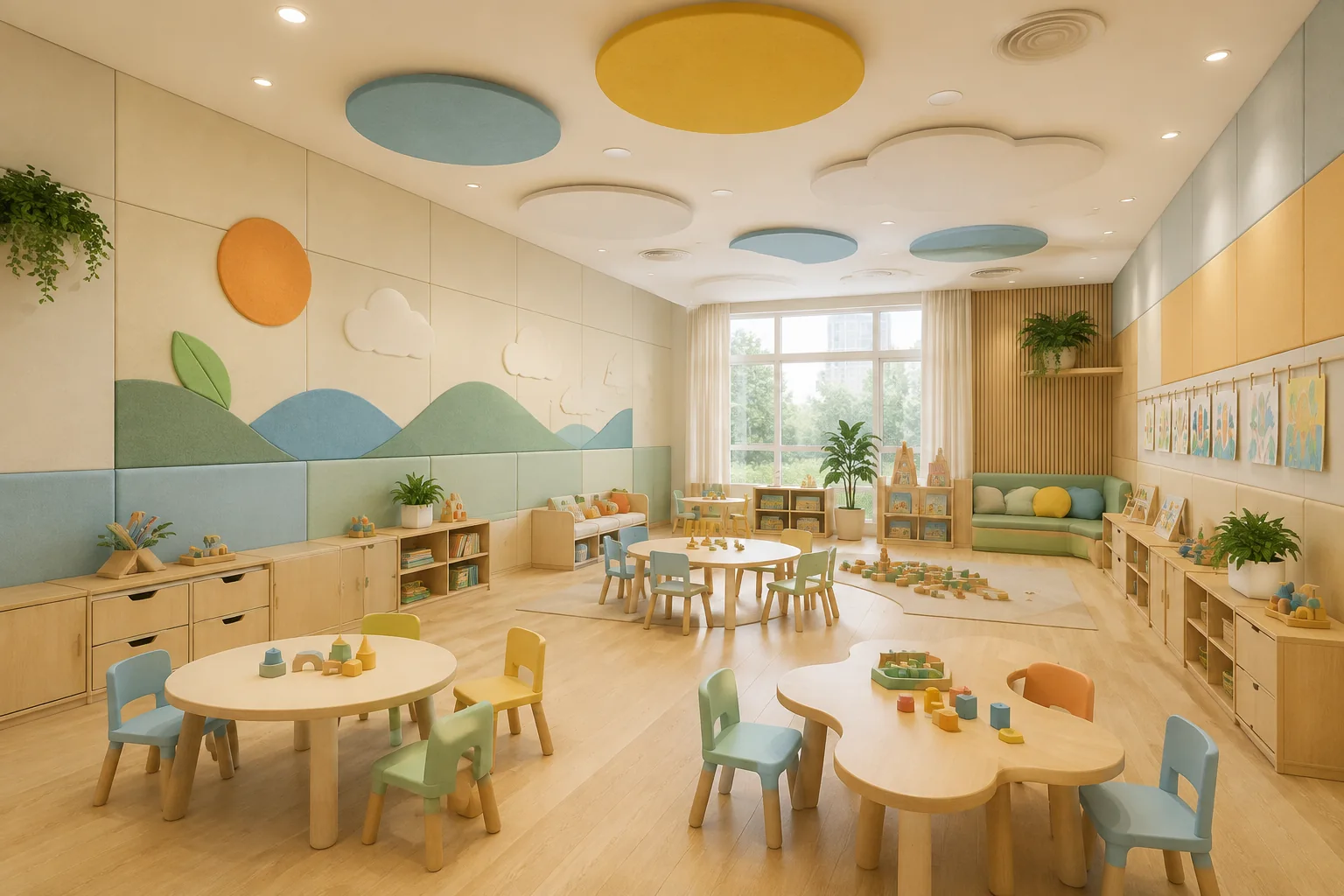
Impact-resistant wall panels and playful ceiling absorbers reduce activity noise and vocal strain while supporting safe, durable and visually welcoming learning environments.
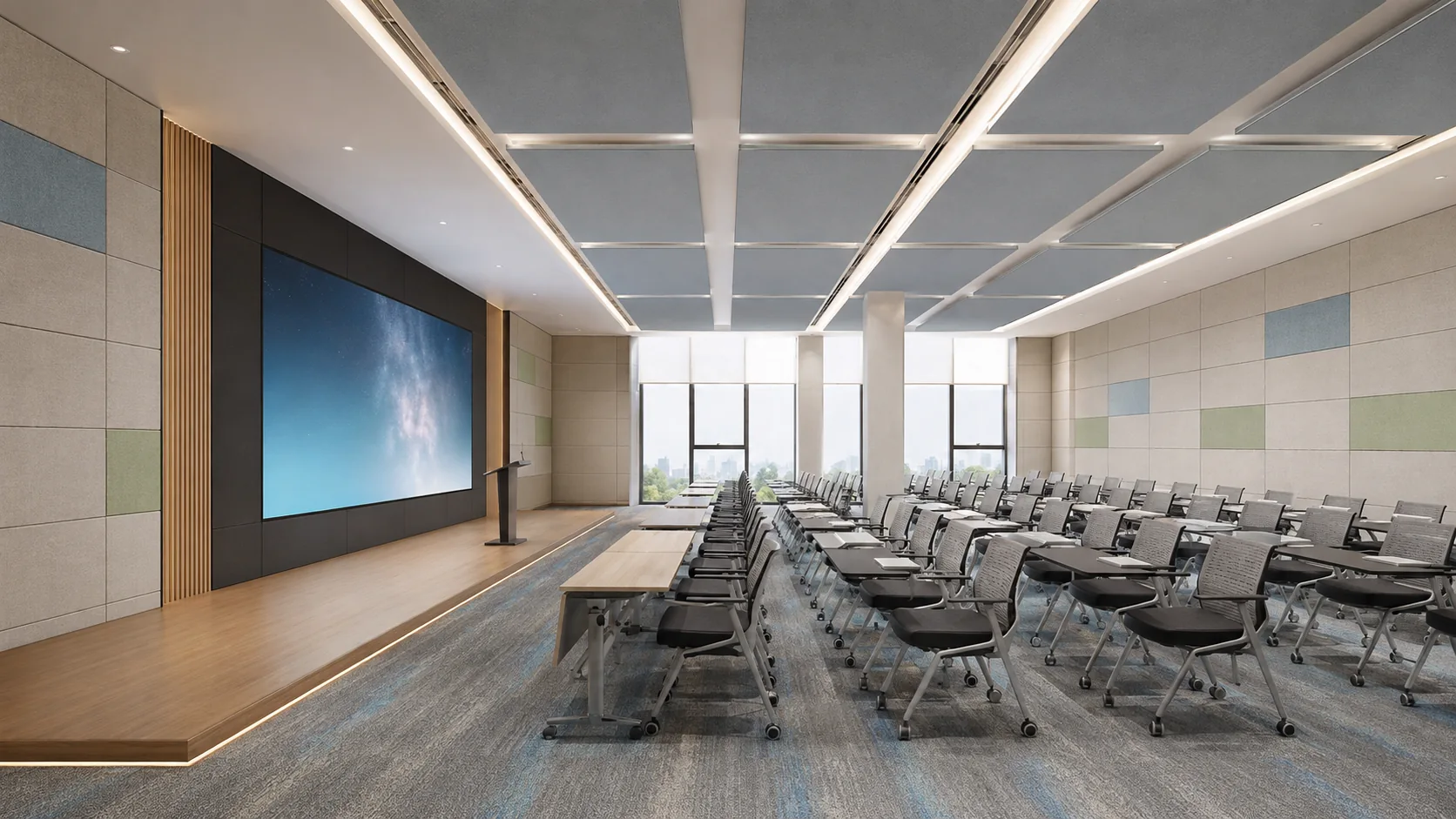
Broadband ceiling and wall treatment limits reverberation around flexible seating layouts, improving presentation clarity, discussion comfort and video-conference pickup.
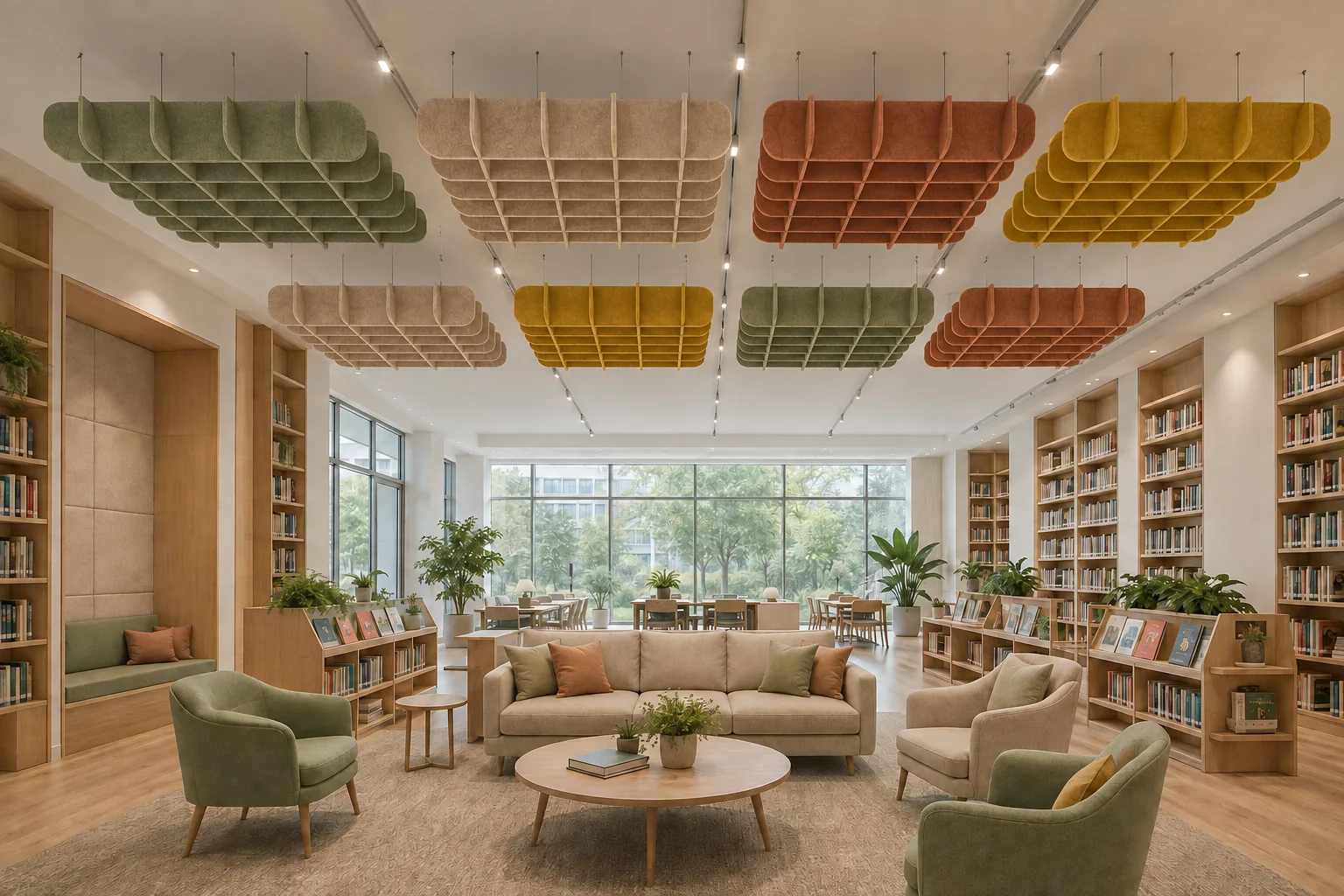
Suspended absorbers and acoustic zoning separate quiet study, reading, discussion and children's activity areas while maintaining an open, connected interior.
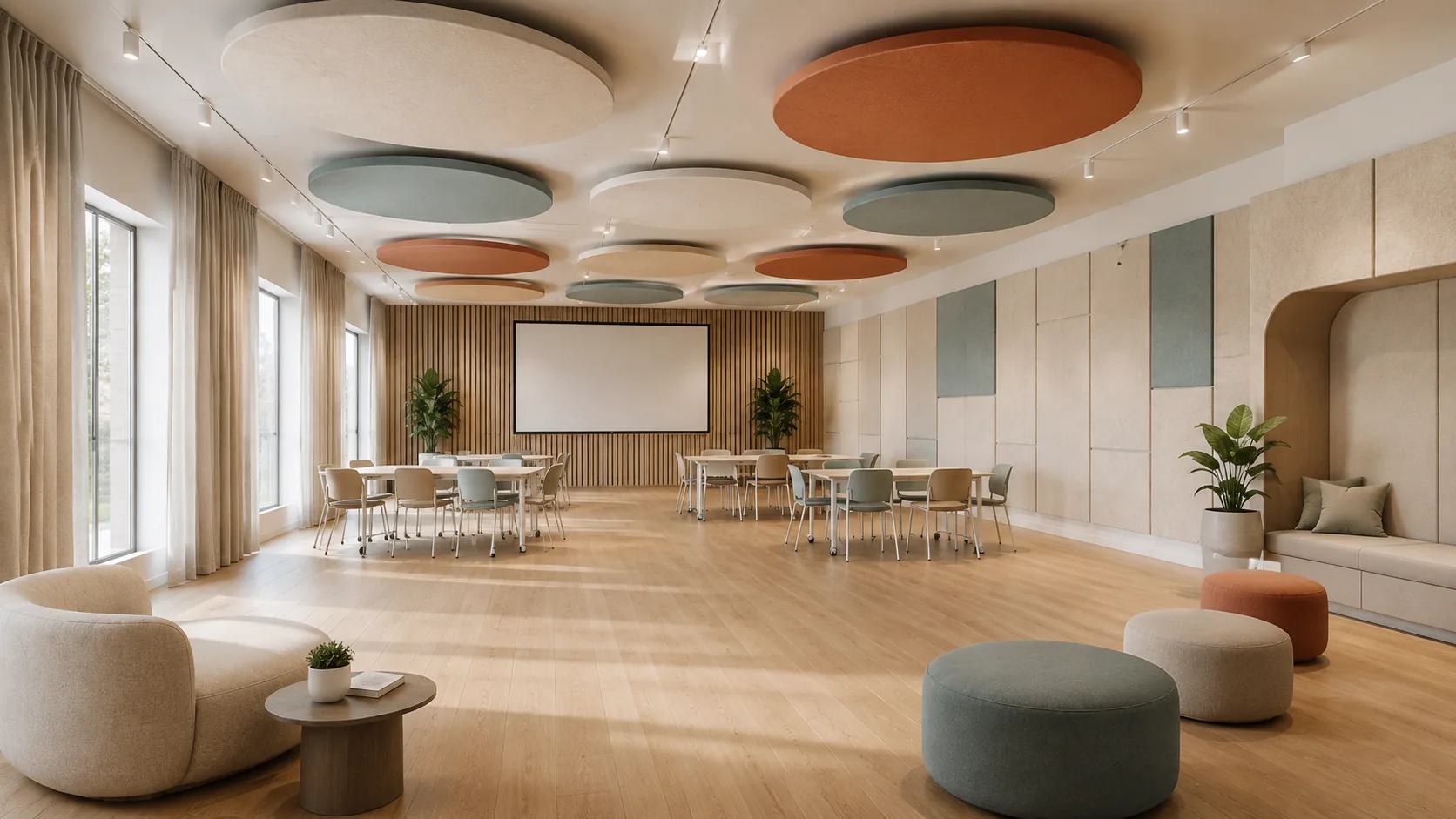
Distributed ceiling and wall absorption supports changing group sizes, teaching modes and movement without allowing noise to build across the room.
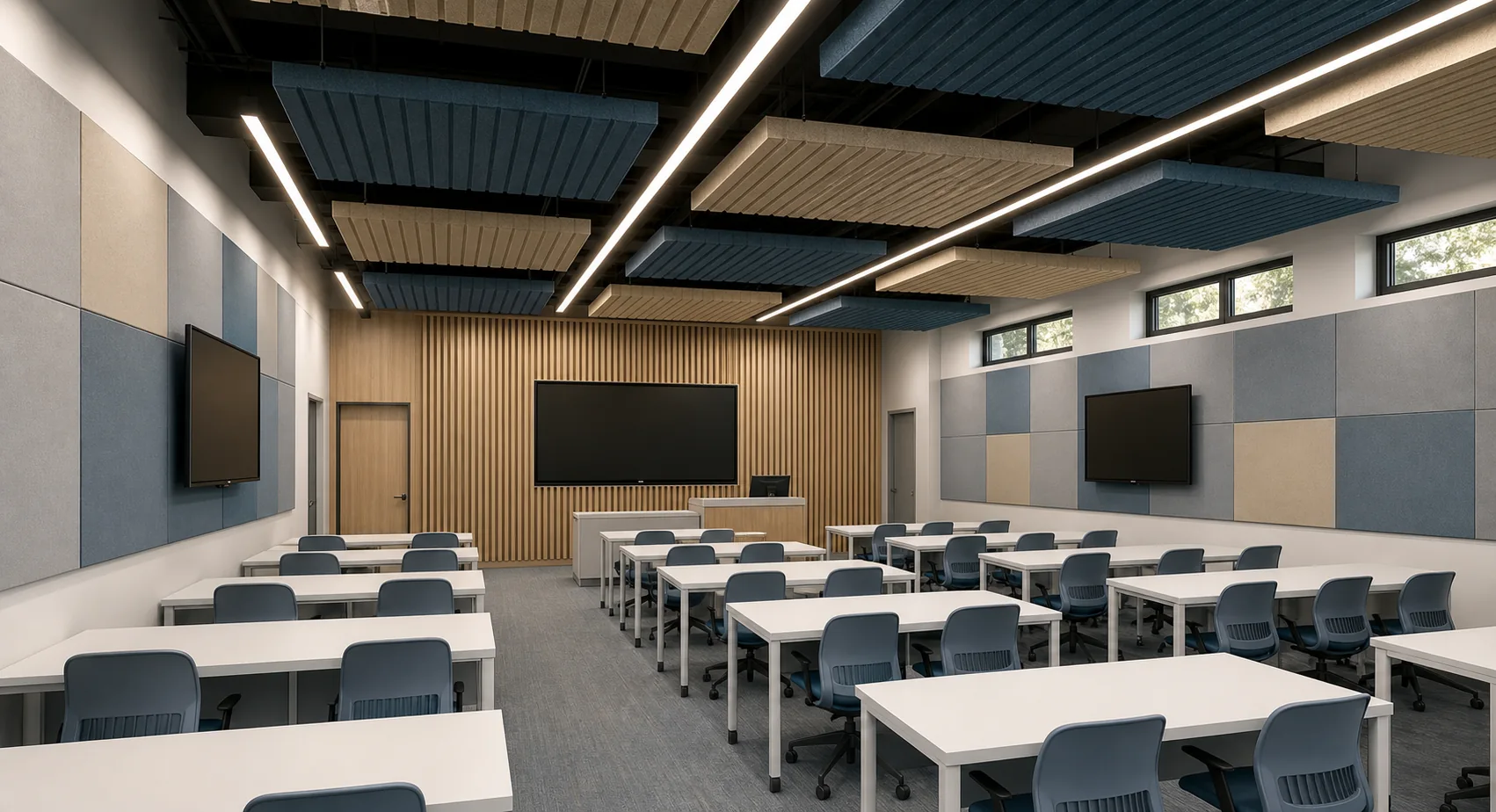
Deep ceiling rafts, wall absorbers and a controlled front teaching zone improve speech intelligibility, media playback and concentration in specialist classrooms.
Final selection should follow room dimensions, target performance, construction, finish and applicable project requirements.

Share your drawings, dimensions, use, finish requirements and acoustic concerns. Our team can prepare a suitable material proposal.