Acoustic materials manufacturer · Foshan, China
Entertainment Spaces
Cinemas · KTV · clubs · esports · immersive venues

Entertainment Spaces

Integrated isolation, vibration control, room acoustics and low-noise services for cinemas, KTV rooms, clubs, esports arenas and immersive-experience venues.

The acoustic challenge

What the space needs

High dynamic sound pressure and powerful low frequencies can escape into adjacent rooms and travel through the building structure. Multichannel systems also demand even coverage, precise localization and controlled bass decay, while reflections from rear walls, side walls and ceilings can create echoes, comb filtering and blurred dialogue. HVAC and equipment noise can further undermine quiet passages and the sense of immersion.

Recommended strategy

A coordinated approach from room surfaces to sound paths.

Build a highly airtight acoustic enclosure, using room-within-a-room construction and floating floors first for high-output spaces. Combine broadband absorption behind screens and at primary reflection zones with side-wall absorption and diffusion, stronger late-reflection control at rear walls, vibration isolation beneath subwoofers and platforms, and low-noise, low-velocity HVAC with duct attenuation.

01

Contain high-output and low-frequency sound

02

Create uniform multichannel coverage and localization

03

Control echoes, comb filtering and dialogue blur

04

Protect quiet scenes from HVAC and equipment noise

Technical framework

Design every layer as one coordinated system.

Each workstream must be developed together so materials, junctions, services and system performance remain continuous from design through commissioning.

01

Applicable spaces

  • Cinemas, KTV rooms, clubs, esports arenas, immersive-experience venues and other high-output entertainment environments.
02

Main acoustic problems

  • Large dynamic sound-pressure levels and strong low-frequency energy can transmit into adjacent rooms and through the building structure.
  • Multichannel systems require even sound-field coverage, accurate localization and controlled low-frequency decay.
  • Rear-wall, side-wall and ceiling reflections can create echoes, comb filtering and blurred dialogue.
  • Air-conditioning and equipment noise can disrupt quiet passages and weaken the immersive experience.
03

Design strategy

  • Use a highly airtight sound-isolating enclosure; prioritize room-within-a-room construction and floating floors for high sound-pressure rooms.
  • Provide broadband absorption behind the screen and at primary reflection zones, combine absorption with diffusion on side walls, and focus rear-wall treatment on suppressing late reflections.
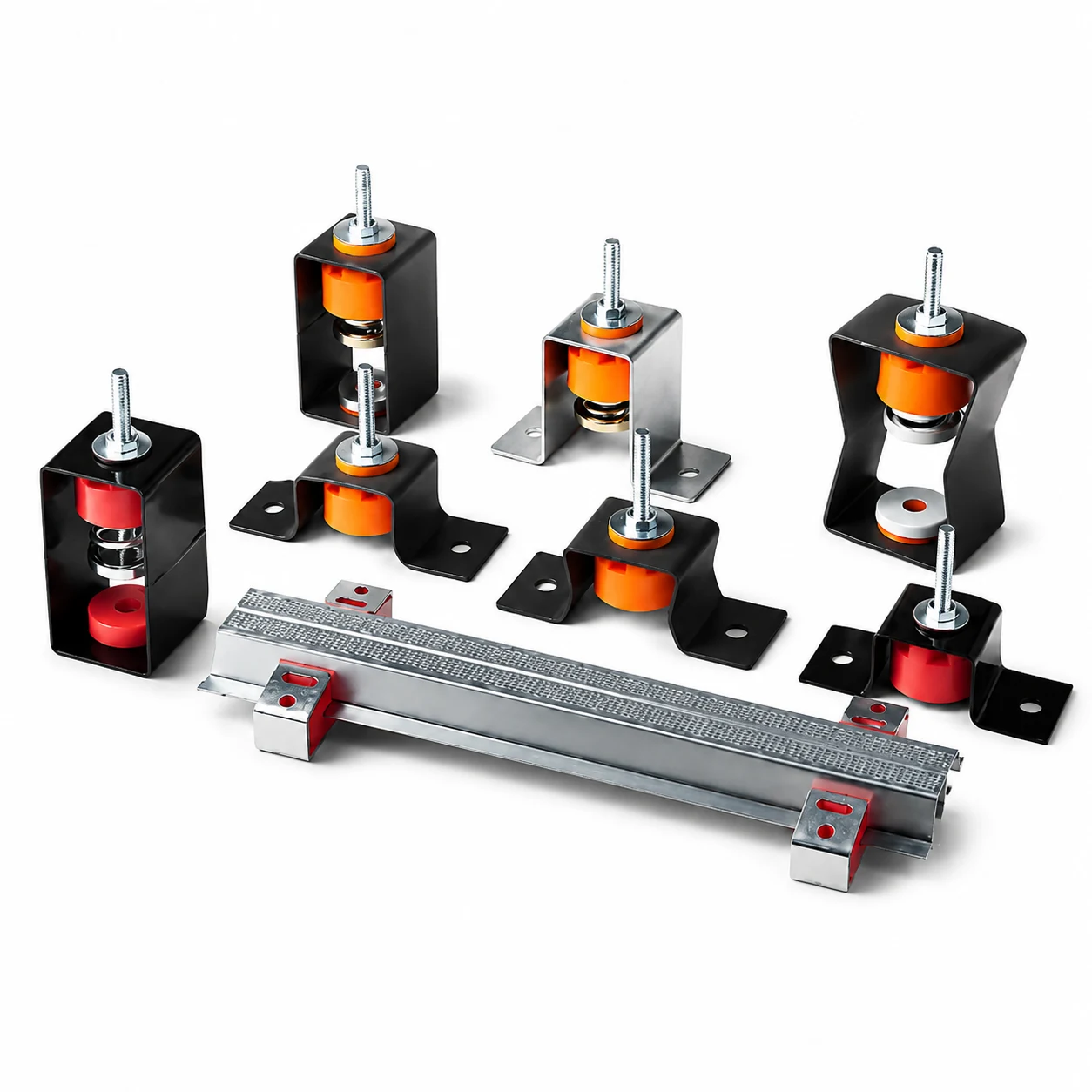
  • Vibration-isolate subwoofers, platforms and loudspeaker supports so low-frequency energy does not rigidly enter the structure.
  • Use low-noise, low-velocity air-conditioning and provide appropriate duct silencers and attenuation measures.
04

Recommended material systems

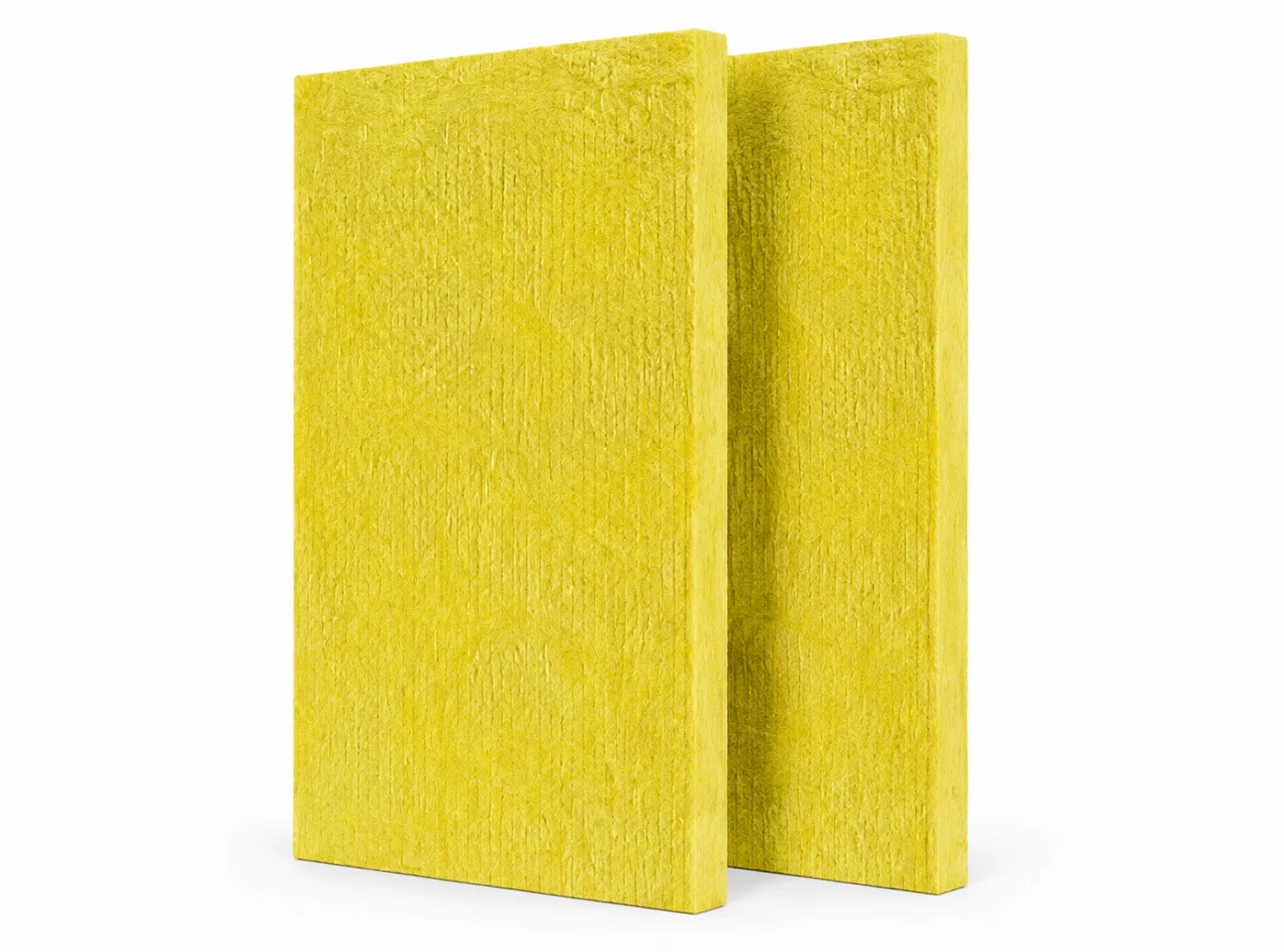
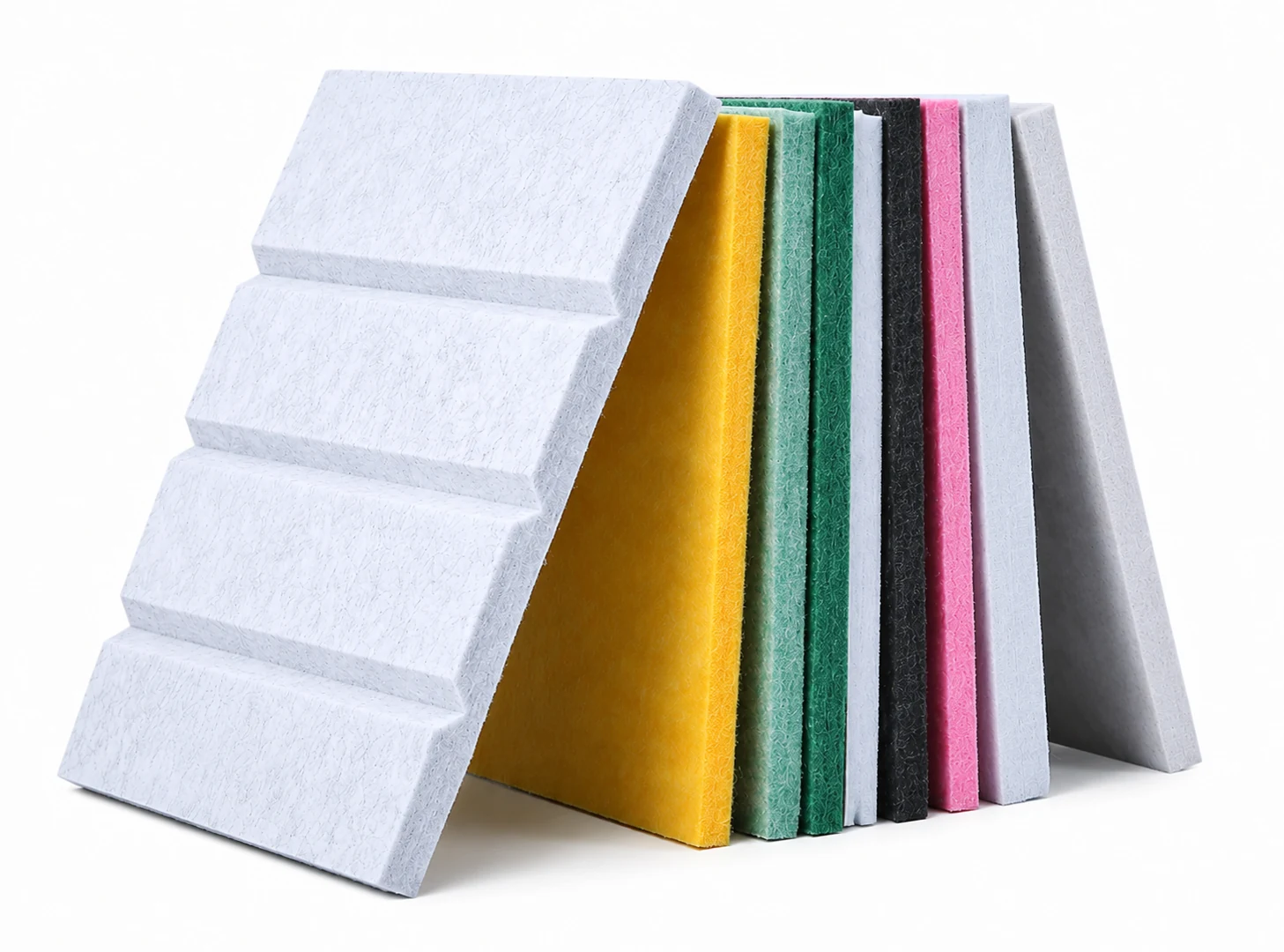
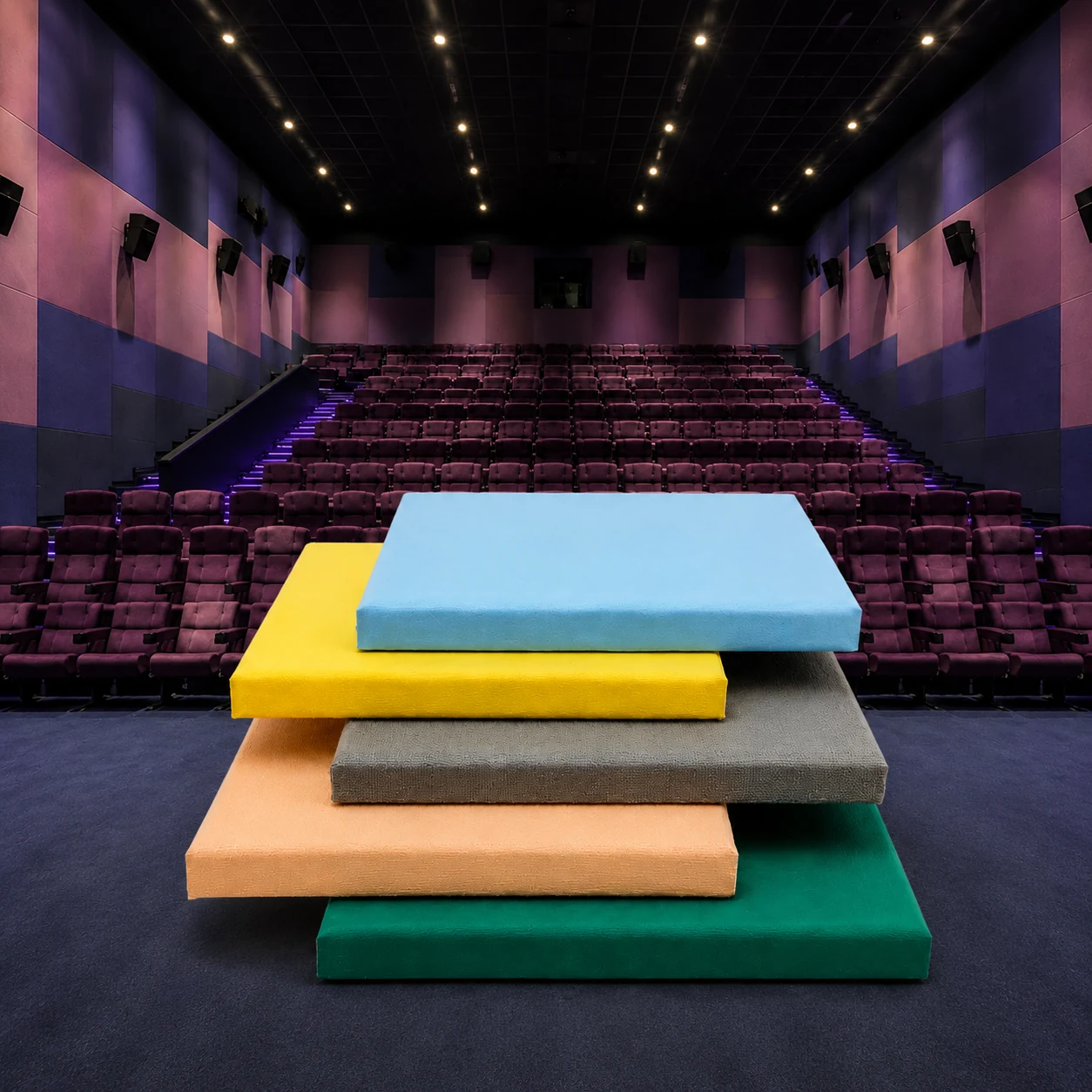
  • PET acoustic panels, fabric-wrapped absorptive panels and fiberglass acoustic panels.
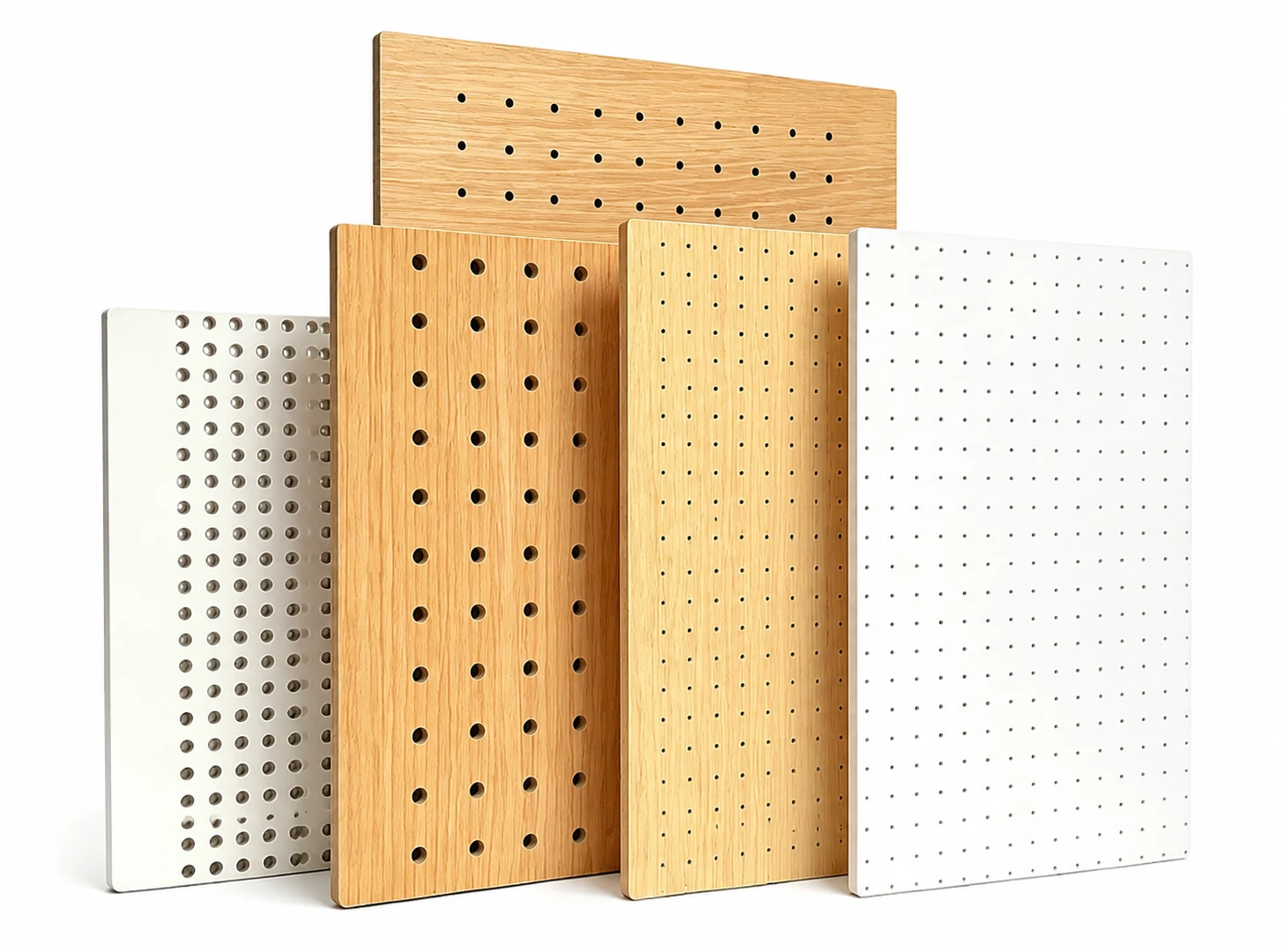
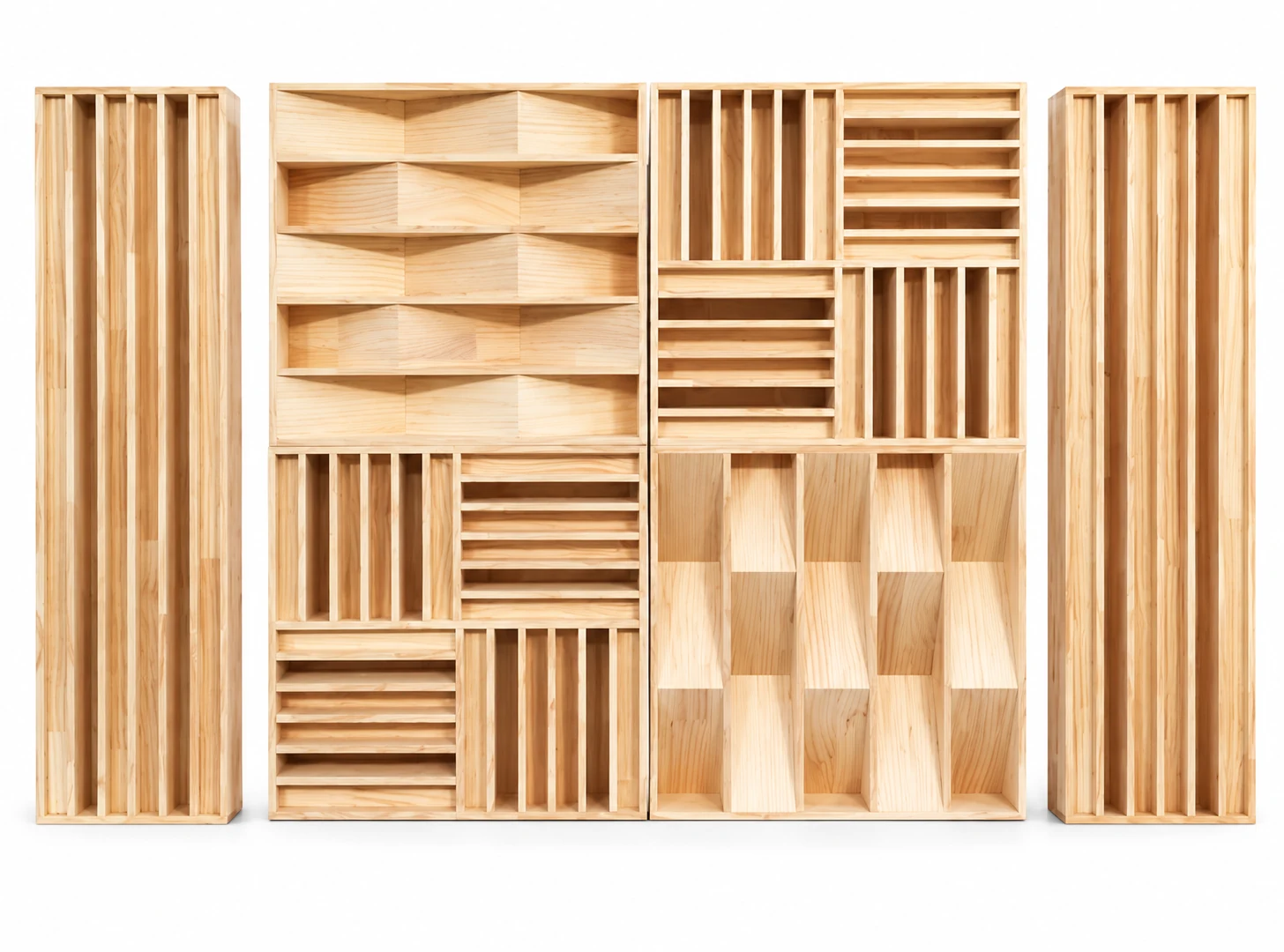
  • Slotted wood absorptive-diffusive panels, perforated acoustic panels and dedicated low-frequency absorber modules.
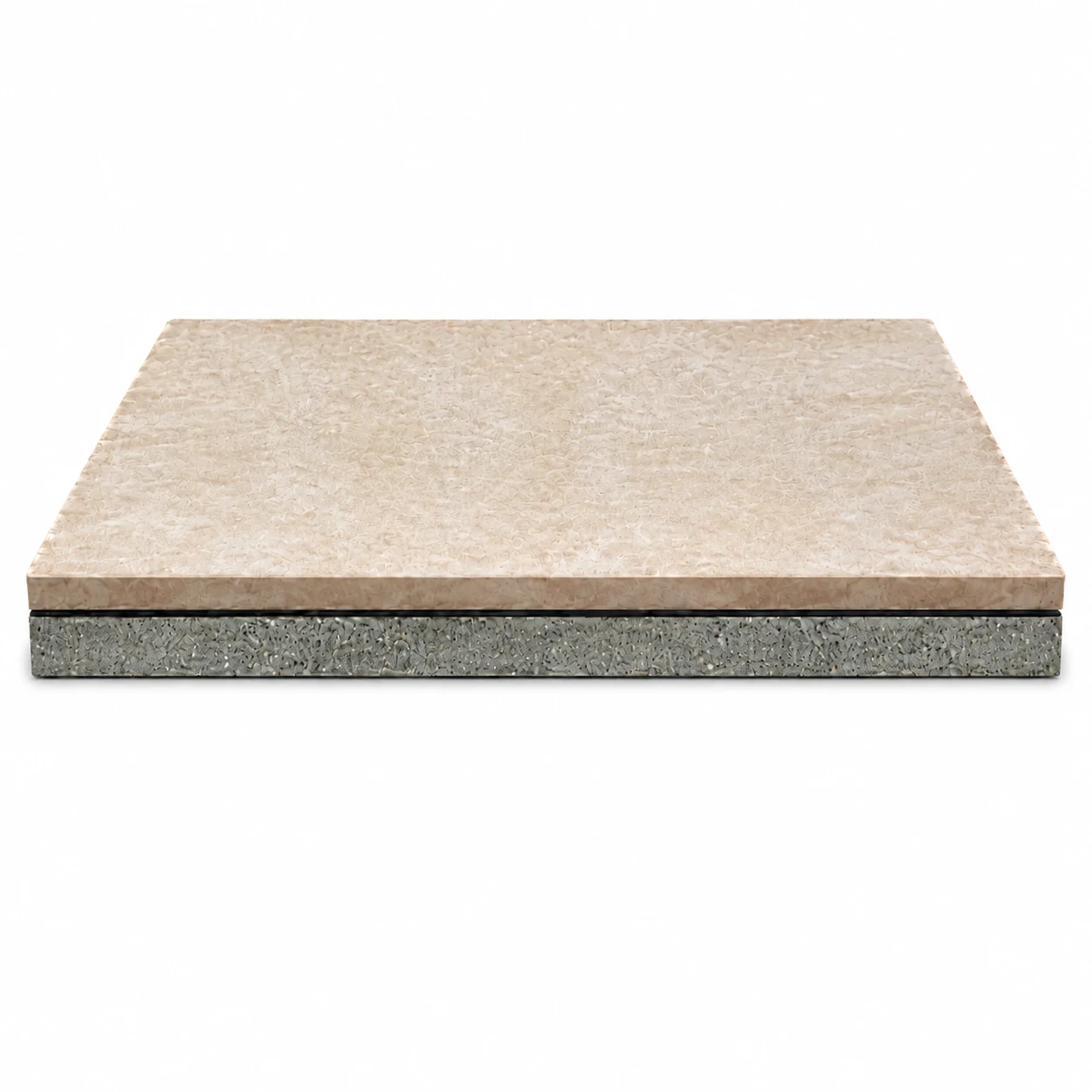
  • Sound-isolating walls and doors, floating floors and resiliently suspended acoustic ceiling systems.
05

Acceptance priorities

  • Verify room-to-room crosstalk and low-frequency leakage into adjacent spaces and the building structure.
  • Measure background-noise performance with HVAC and building equipment operating.
  • Confirm seat-to-seat sound-pressure uniformity, dialogue intelligibility and freedom from abnormal echoes.
System principle

Entertainment-space performance must be accepted as a complete system: enclosure isolation, structural vibration control, room-acoustic treatment, electroacoustic coverage and mechanical-services noise should be measured together under representative operating conditions.

Entertainment environments

Acoustic control shaped for every experience.

Each venue combines a different sound-pressure profile, audience layout and electroacoustic system. These scenes show how absorption, isolation and coverage strategies adapt to the room.
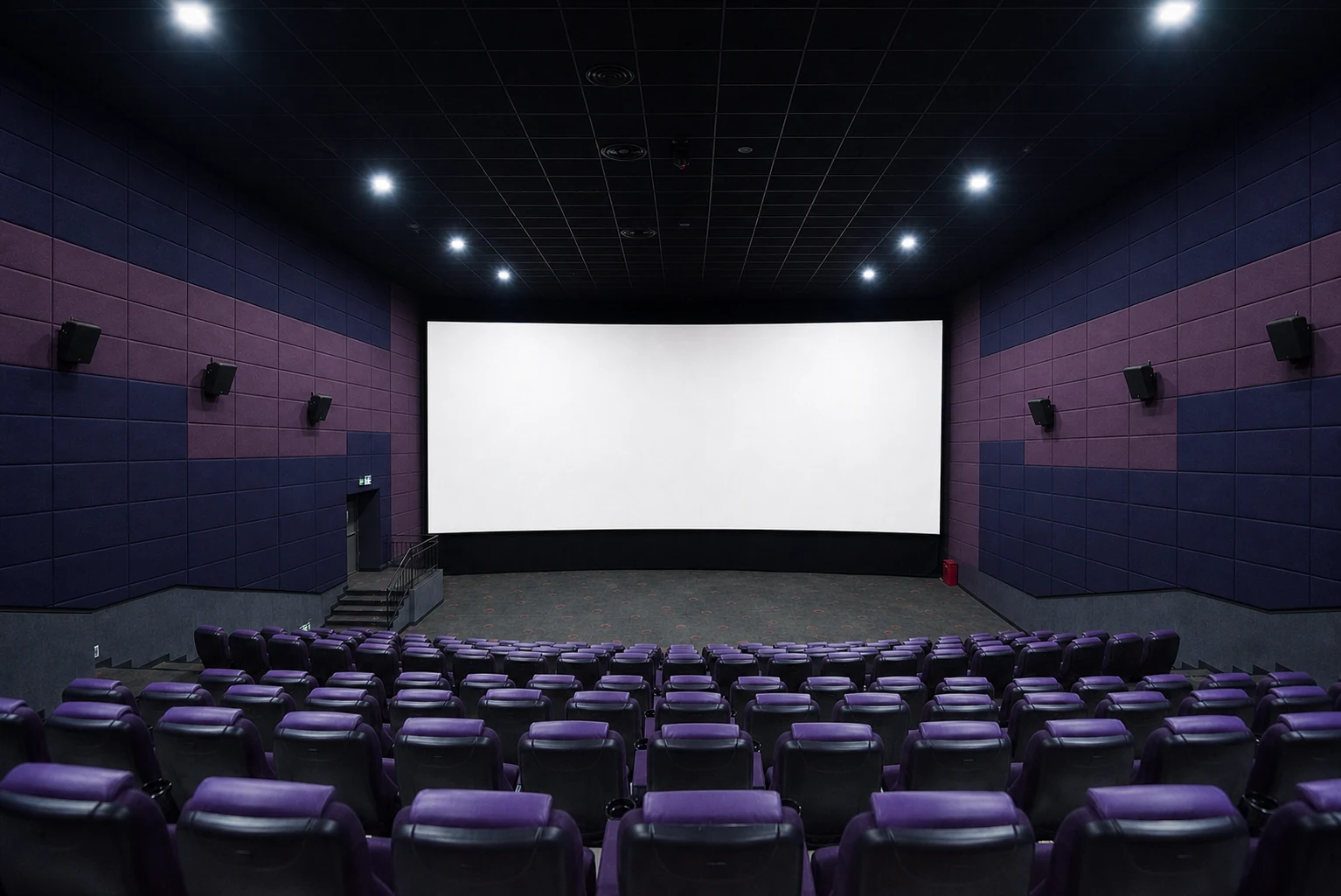
Cinema auditoriums acoustic treatment scene
01Cinema

Cinema auditoriums

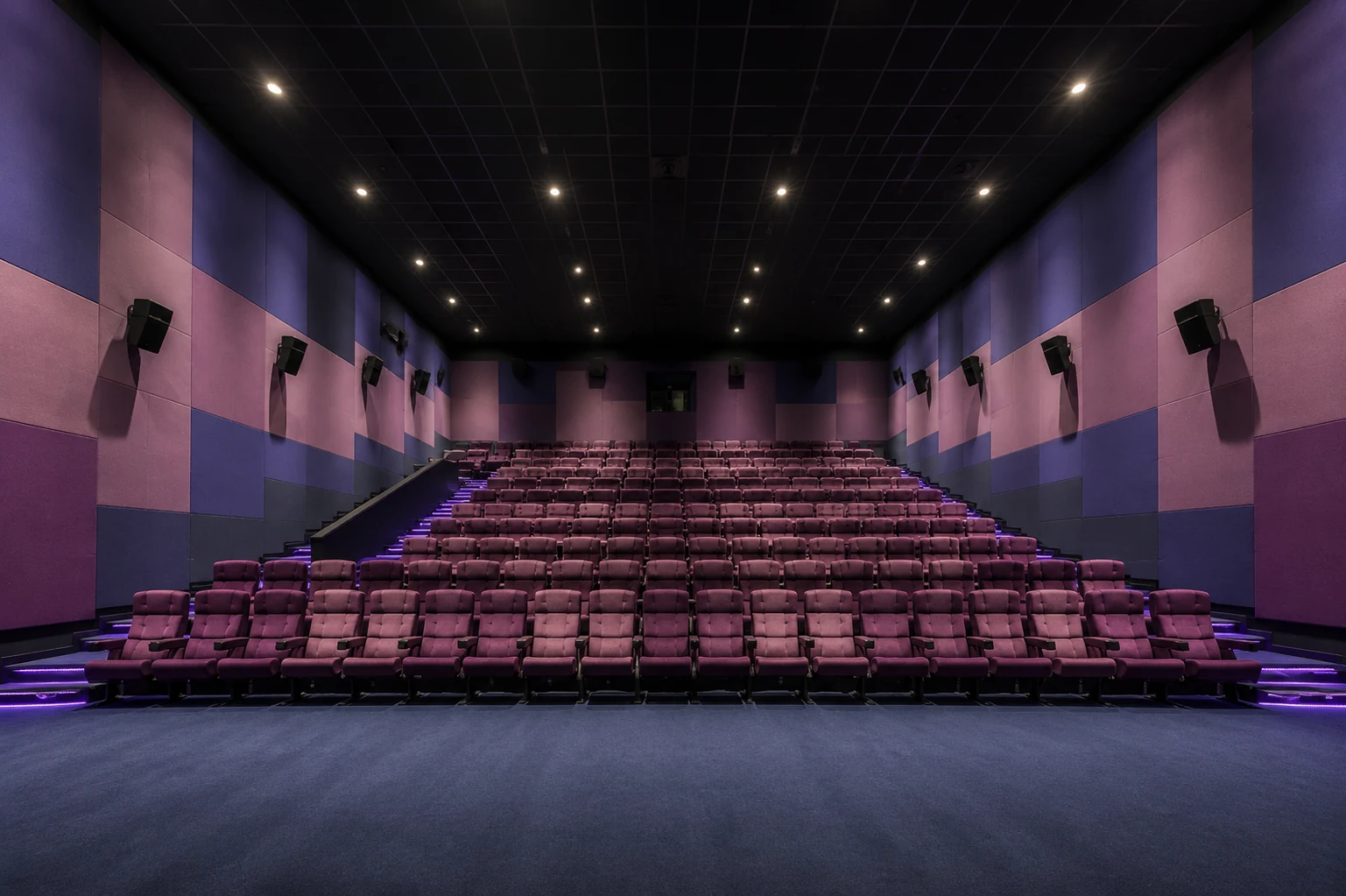
Broadband wall and ceiling absorption supports dialogue clarity while the isolated envelope controls multichannel sound and low-frequency leakage.
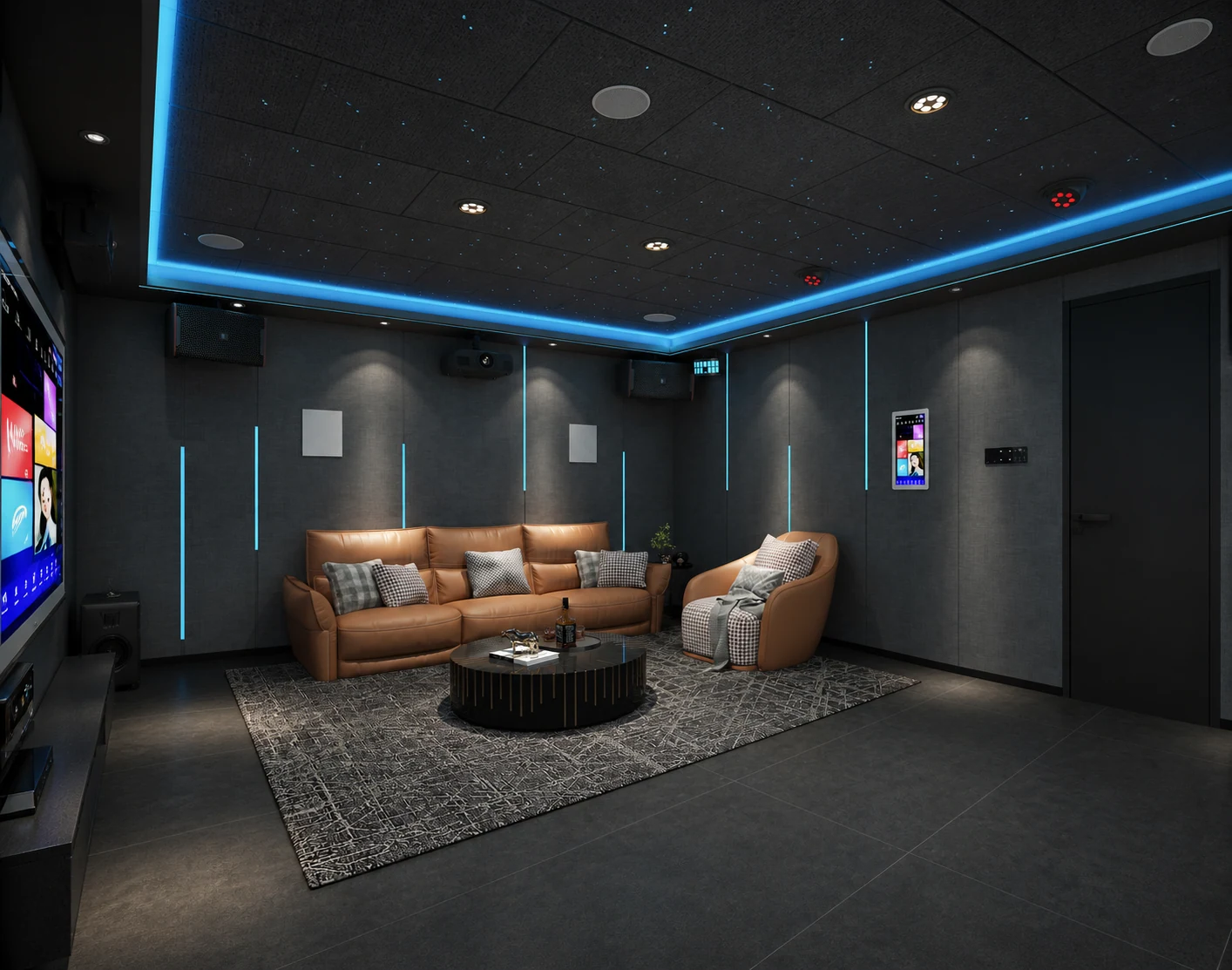
Private cinema & KTV acoustic treatment scene
02Private entertainment

Private cinema & KTV

Soft wall systems, absorptive ceilings and sealed boundaries create an intimate, controlled room without transferring music to adjacent spaces.
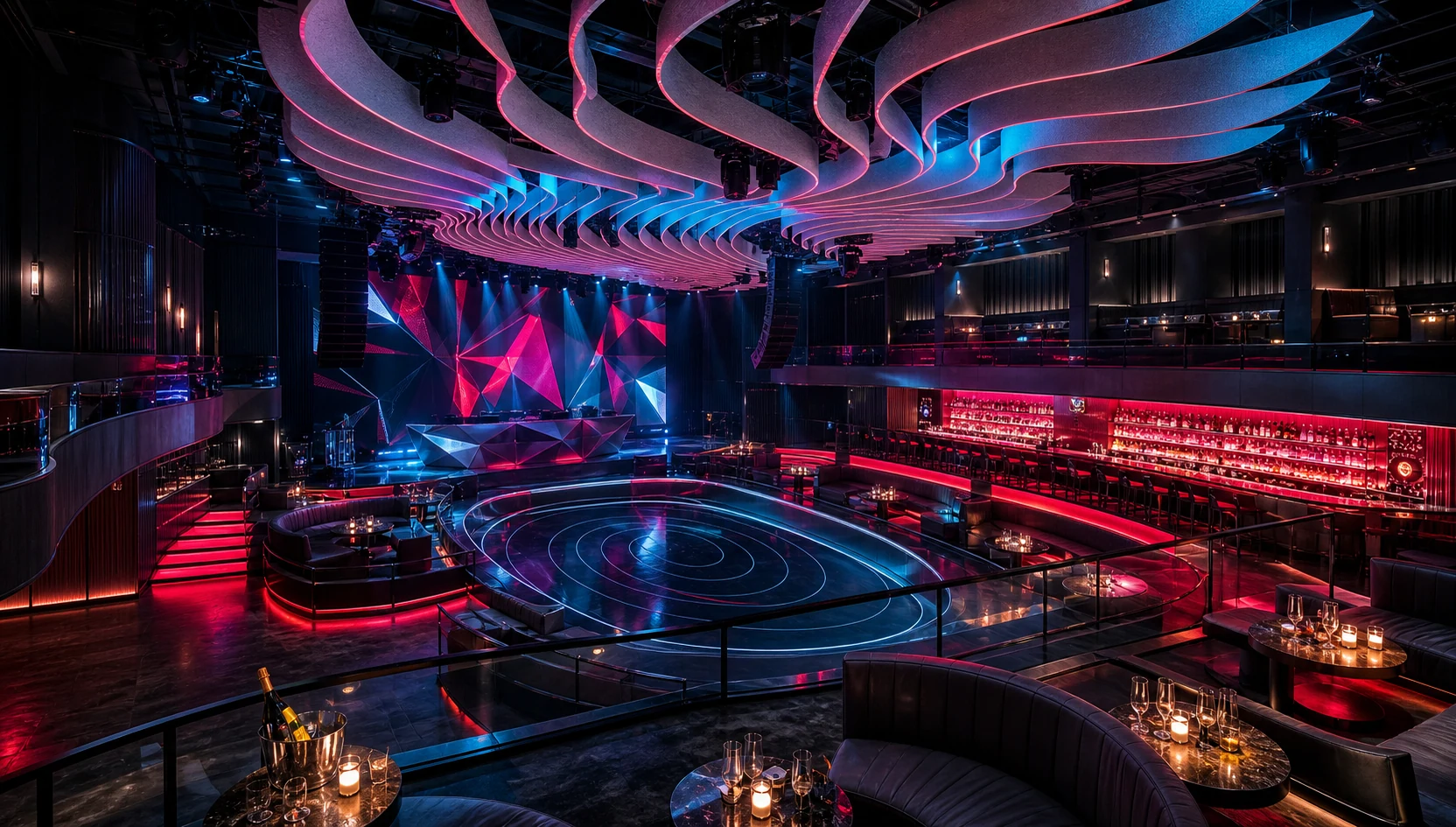
Clubs & performance venues acoustic treatment scene
03Club

Clubs & performance venues

Suspended absorbers and resiliently isolated sound systems help manage very high sound pressure, reverberation and structure-borne bass.
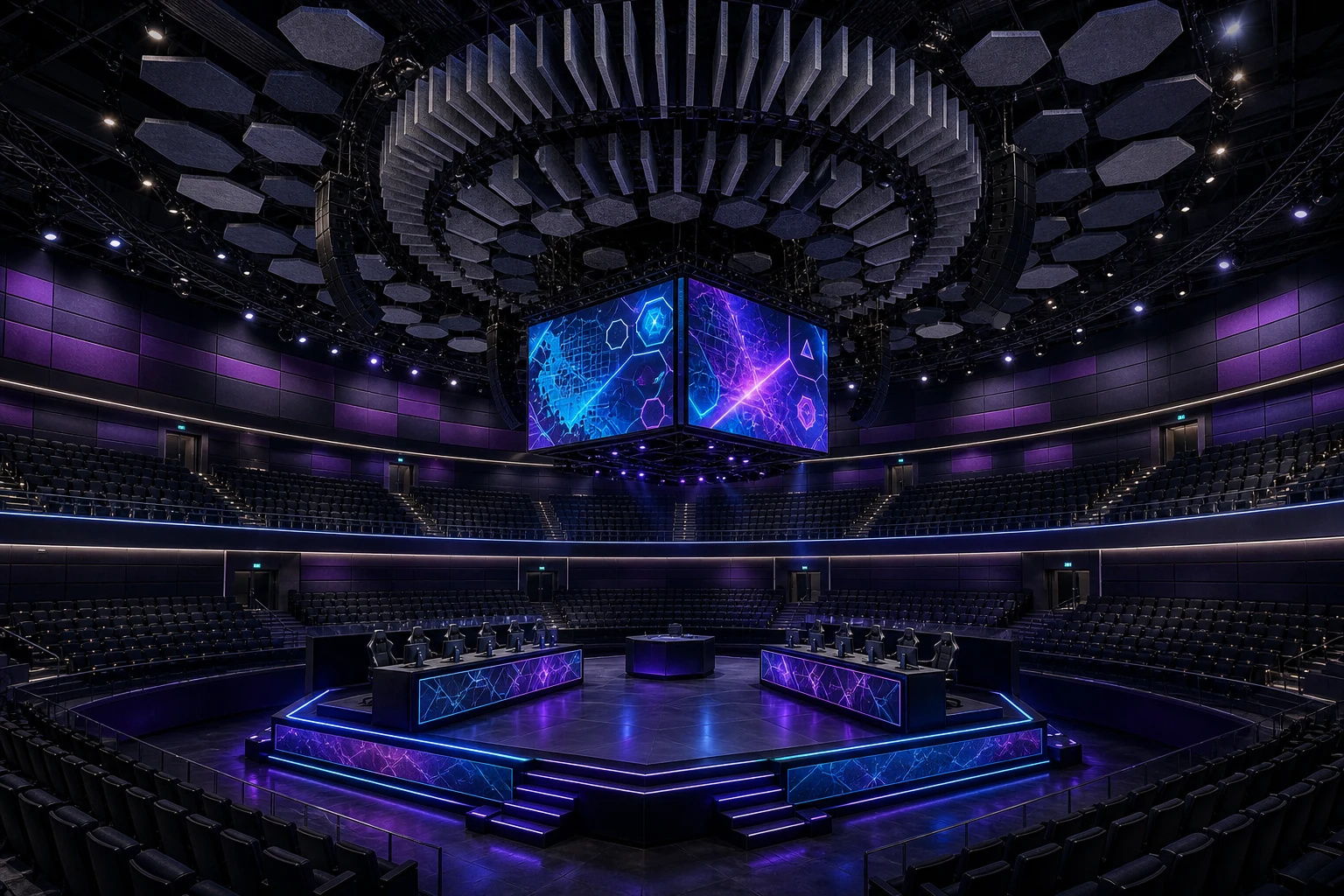
Esports arenas acoustic treatment scene
04Esports

Esports arenas

Distributed absorptive wall and ceiling treatment improves announcer and team communication while supporting uniform electroacoustic coverage.
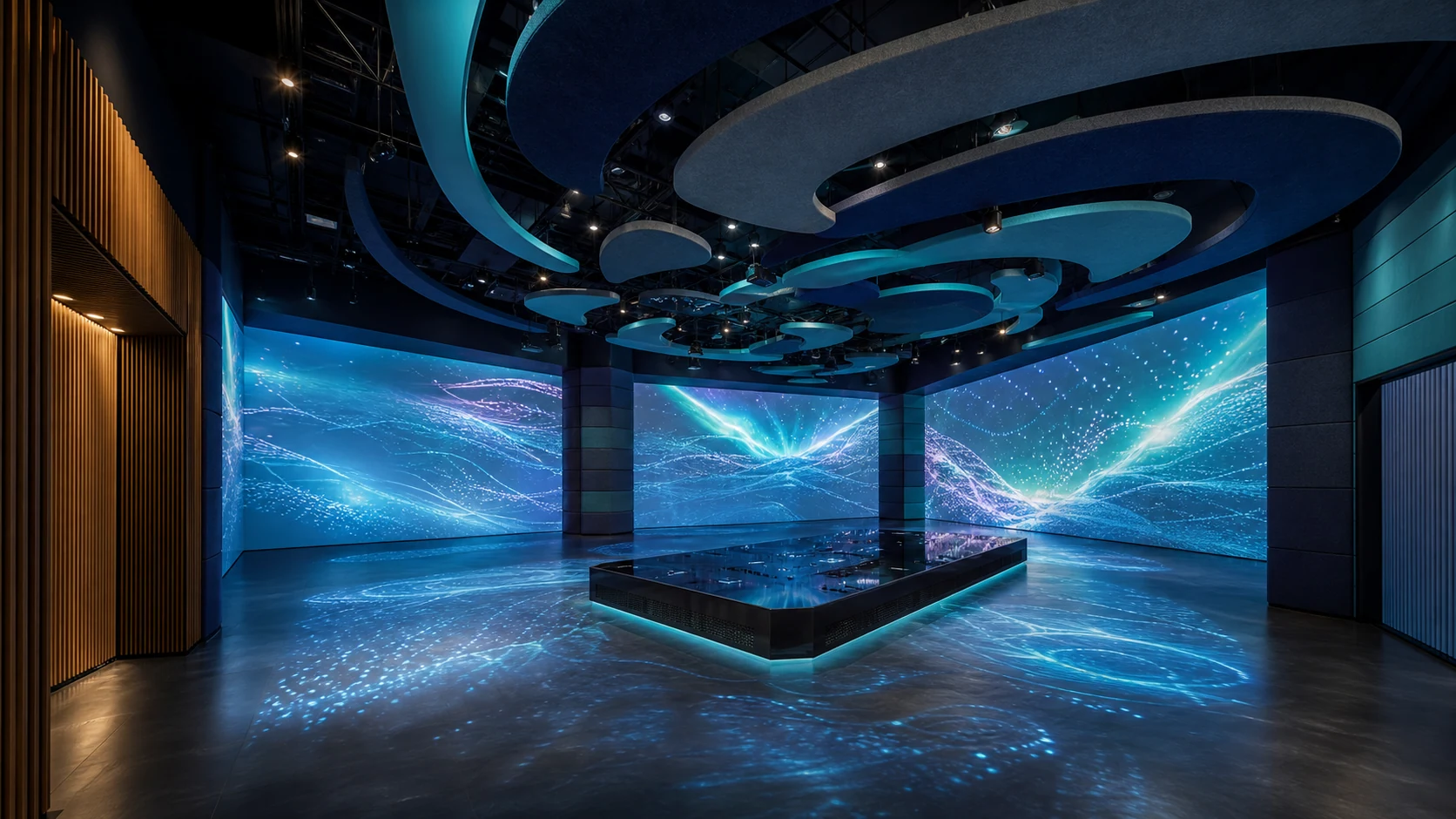
Immersive experience spaces acoustic treatment scene
05Immersive media

Immersive experience spaces

Integrated ceiling absorbers, controlled reflections and isolated equipment preserve spatial-audio detail across projection-led environments.

Suitable systems

Products commonly used in this solution.

Final selection should follow room dimensions, target performance, construction, finish and applicable project requirements.
← View all acoustic solutions
Talk to our export team

Planning acoustics for entertainment spaces?

Share your drawings, dimensions, use, finish requirements and acoustic concerns. Our team can prepare a suitable material proposal.

Request a Quote